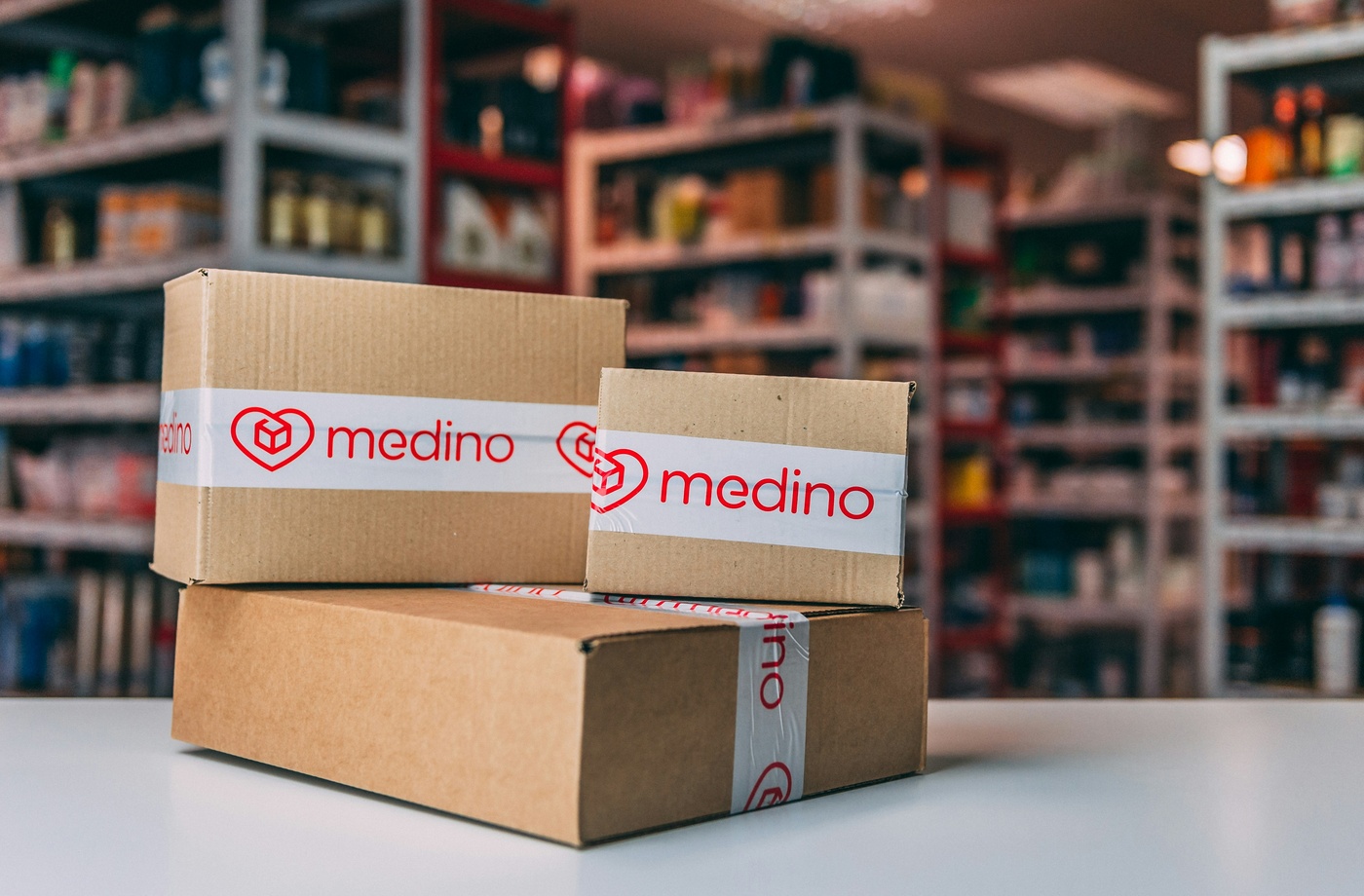
For many businesses, seasonal peaks such as the holiday rush, back-to-school sales, or promotional events bring a surge in orders. While this is an opportunity to grow revenue, it also puts enormous pressure on logistics. Without preparation, seasonal shipping can lead to delays, higher costs, and dissatisfied customers. By adopting proactive strategies, businesses can handle peaks smoothly while keeping costs under control.
Plan Ahead with Carriers
Major carriers like UPS, FedEx, and USPS often face capacity limits during peak seasons. Scheduling pickups early and reserving shipping capacity ensures your packages aren’t left behind. Many carriers also release seasonal shipping deadlines—reviewing them in advance helps you set realistic customer expectations.
Diversify Your Carrier Mix
Relying on one carrier during high-demand periods can be risky. Platforms like ShipStation and Easyship allow businesses to compare rates and distribute shipments across carriers, reducing delays and balancing costs. Regional carriers like OnTrac and LaserShip can also provide faster local delivery options when national carriers are overloaded.
Optimize Packaging for Speed and Cost
During peak seasons, every minute counts. Standardizing packaging sizes and using pre-branded mailers helps speed up fulfillment while reducing errors. Suppliers like Uline and EcoEnclose offer efficient, eco-friendly packaging options that also minimize dimensional weight charges.
Leverage Fulfillment Services
Third-party logistics providers (3PLs) such as ShipBob and Fulfillment by Amazon can absorb the seasonal surge by handling storage, packaging, and shipping. Outsourcing fulfillment allows businesses to scale quickly without overwhelming in-house teams.
Offset Seasonal Costs with Cashback Rewards
Seasonal shipping spikes come with higher costs, but cashback rewards can help soften the impact. For example, you can earn cashback with a USPS gift card or get rewards with a DHL gift card through Fluz. These savings, stacked with negotiated discounts, make busy periods less financially straining. To maximize rewards during peak seasons, download Fluz.
Set Customer Expectations Clearly
Transparency is key. Post shipping deadlines, provide tracking updates, and communicate potential delays upfront. This helps manage customer expectations and reduces the volume of support inquiries during high-demand times.
Conclusion
Seasonal shipping peaks don’t have to overwhelm your business. By planning ahead with carriers, diversifying shipping options, using fulfillment partners, optimizing packaging, and leveraging cashback savings, businesses can navigate busy seasons effectively. A strong seasonal shipping strategy keeps customers happy while protecting your bottom line.