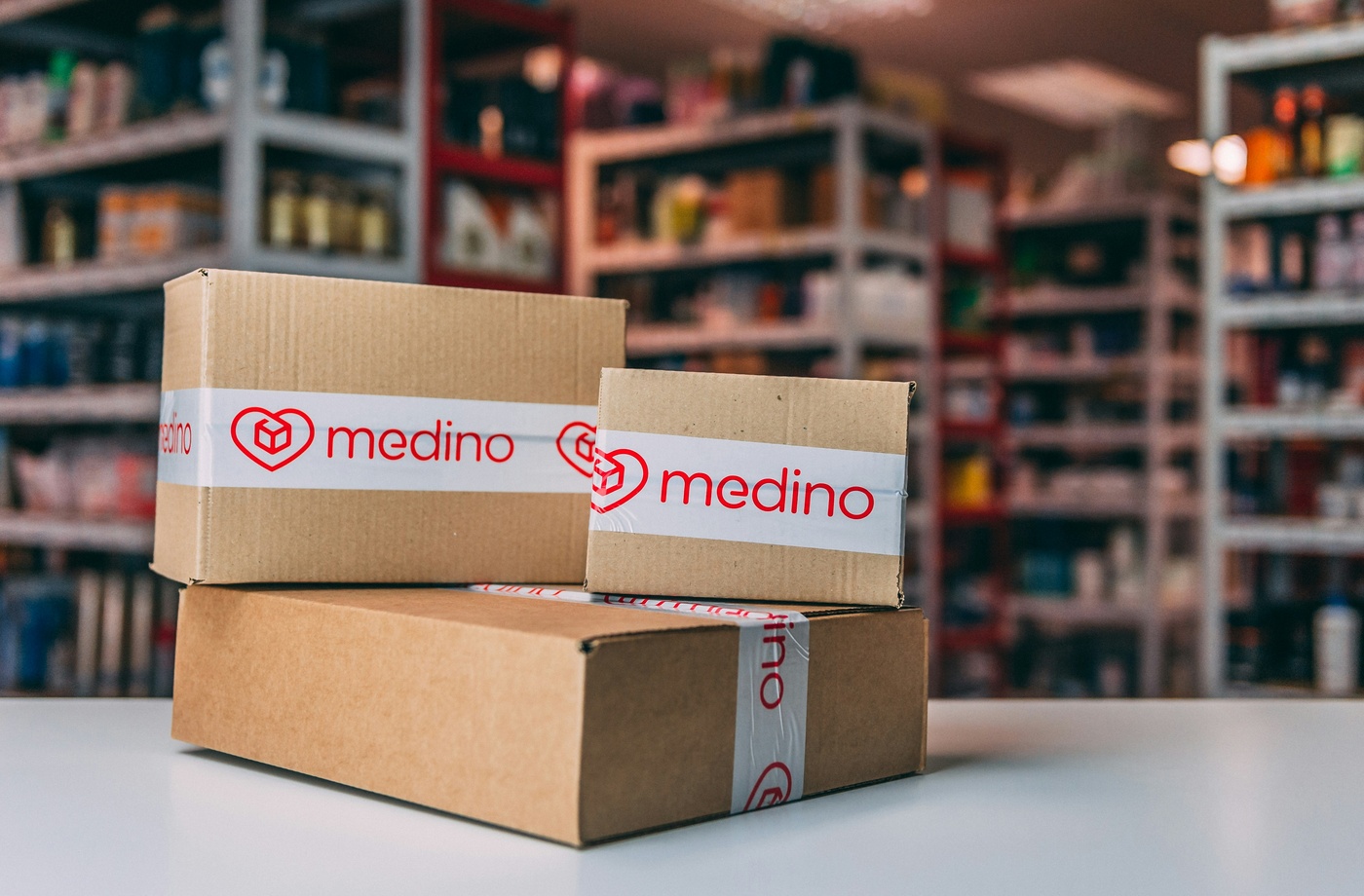
For small businesses, choosing the right shipping option can make the difference between thriving and losing money on logistics. Customers expect fast, affordable, and reliable delivery, but balancing these expectations with limited budgets can be challenging. Fortunately, in 2025, small businesses have more choices than ever when it comes to carriers, software, and cost-saving strategies.
National Carriers for Reliable Service
Traditional carriers such as UPS, FedEx, and USPS remain strong choices for small businesses. USPS is typically the most affordable for lightweight packages, while UPS and FedEx offer better tracking and quicker delivery for larger or time-sensitive shipments. Each also provides small business discounts, which can significantly lower costs when used consistently.
Regional Carriers for Local Savings
If your business serves specific areas, regional carriers like OnTrac and LaserShip can be cheaper and faster than national providers. These companies often specialize in last-mile delivery, which is crucial for e-commerce brands competing with giants like Amazon. Using regional options allows you to offer competitive shipping times at a lower cost.
Third-Party Logistics Providers (3PLs)
For businesses scaling rapidly, outsourcing to a 3PL such as ShipBob or Fulfillment by Amazon can streamline operations. 3PLs handle storage, packaging, and delivery, reducing the time and resources you spend on shipping logistics. This approach is ideal for small businesses that want to scale without investing in warehouse space.
Leverage Technology and Shipping Software
Tools like ShipStation and Easyship integrate with e-commerce platforms and allow small businesses to compare rates, print labels, and track shipments across multiple carriers. These solutions make it easy to identify the cheapest and fastest shipping options for each order.
Saving on Shipping with Rewards Programs
One overlooked option for small businesses is using cashback apps to reduce shipping-related expenses. For example, you can earn cashback with a USPS gift card or get rewards with a DHL gift card through Fluz. These savings can be stacked with negotiated carrier discounts, stretching your shipping budget even further. To maximize savings across different carriers and services, download Fluz and explore ongoing offers.
Freight Options for Bulk Orders
When moving larger shipments, freight carriers like Freightquote and XPO Logistics offer customizable solutions that can lower per-unit costs. Small businesses that frequently send bulk items can benefit from consolidating orders and booking freight rather than parcel shipping.
Conclusion
In 2025, the best shipping option for a small business depends on your size, products, and customer base. By leveraging national and regional carriers, considering 3PLs, using software, and stacking savings with cashback rewards, you can lower costs and improve delivery efficiency. Small businesses that adopt a mix of these strategies will find it easier to meet customer expectations without straining their bottom line.